Editorial Clie
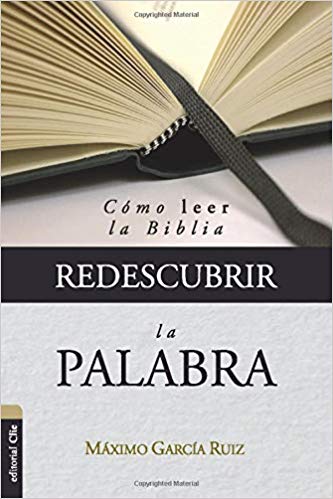
Redescubrir la Palabra
Redescubrir la Palabra
No se pudo cargar la disponibilidad de retiro
Máximo García Ruíz, reconocido teólogo y pastor bautista en España, admite abiertamente que la primera fase de su formación teológica no logró resolver los numerosos interrogantes y contradicciones que le planteaba una lectura literal del texto bíblico.
El autor estructura la obra en siete capítulos.
El primero, de carácter introductorio, se ocupa de los motivos y aporta información general acerca de los mitos como lenguaje cosmológico del que se han servido las religiones para tratar de explicar lo inexplicable.
El capítulo segundo, «El mundo judío», parte del hecho de que la Biblia es un producto de la cultura oriental y facilita una batería de datos en torno al mundo judío, sus instituciones, sus festividades y sus prácticas más relevantes, que ayudan al lector a situar el texto en su contexto, así como un breve perfil del concepto judío de Dios, para cerrar con una reflexión en torno al papel reservado a la mujer.
El tercero, «El mundo grecorromano», se ocupa del escenario en el cual se escribió el Nuevo Testamento y en cuyo entorno discurre la vida de Jesús. La cultura helenista, el gnosticismo y la religión en Grecia y Roma fueron factores que influyeron en el desarrollo del texto.
El cuarto, «Claves para entender la Biblia», está dedicado a desvelar algunas claves fundamentales para entender la Biblia, recordando que es un libro de religión y no de ciencia, y que ha sido traducido de lenguas muertas. Analiza algunas de las dificultades por las que ha atravesado la transmisión del texto bíblico hasta nuestros días y termina explicando el papel y la naturaleza del canon.
En el capítulo quinto, «El misterio de los milagros», afronta un tema conflictivo en el que los exégetas muestran amplias discrepancias: el de los prodigios sobrenaturales tanto del Antiguo como del Nuevo Testamento.
El capítulo sexto, «Relectura bíblica», entra de lleno en la clave y el propósito del libro: qué es concretamente y en qué consiste llevar a cabo una relectura bíblica. Para ello analiza el sentido de la revelación, el lugar que ocupa la inspiración a la luz del Espíritu Santo y el papel de la cultura a la hora de situar el texto en su contexto. Lo complementa con un estudio sobre la necesidad de distinguir apropiadamente entre pecado y santidad, ética y moral, y la importancia de aprender a dilucidar qué son los espíritus malignos. Finaliza con un apunte acerca de la idea del más allá.
Cierra la obra el capítulo siete, «¿Es la Biblia la Palabra de Dios?», que conviene leer después de los capítulos anteriores. En él debate el tema de la inspiración verbal y plenaria y la interpretación literal, exponiendo brevemente las cuatro posturas básicas al respecto. Se completa con una breve bibliografía que brinda a los lectores la posibilidad de seguir profundizando en su estudio.
Compartir
Detalles / Book Details
- Autor / Author
- Zondervan Publishing Company
- Editorial / Publisher
- Clie, Editorial
- Año / Year
- 2017
- ISBN
- 9788494495526